
















 The responses reflect a dynamic landscape—where uncertainty is driving new travel choices, reshaping demand, and opening emerging opportunities for both inbound and domestic tourism.
Here’s what Mukesh Jain, Executive Vice President, TIA; Rajesh Kakade, Founder & Global Director, Red Carpet Travel; Dr. Manoj Sogani, Chairman, TAAI Rajasthan Chapter; Vineet Gopal, Executive Board Member – OTOAI; Dharmesh Advani, National General Secretary, ETAA; and Jay Kantawala, Chapter Chairman – TAFI Western India have to say on how the global unrest is reshaping travel trends.
Compiled by Priyanka Saxena Ray & Shreya Shimpi
 Mukesh Jain
Executive Vice President, TIA
From what we are seeing on the ground, travellers are becoming a lot more conscious about where they go and how safe they feel. With some Middle Eastern destinations likely to see softer demand for a while, there’s already a shift towards places like Thailand, Malaysia, Vietnam, Bali, and Japan. These destinations are easier from a visa point of view, even free visa on arrival, offer great value and most importantly give travellers a sense of comfort right now.
For India, every challenge or disturbance globally opens up a new opportunity. As travellers reassess destinations based on safety and stability, India stands in a strong position. We are seeing growing interest in experiences around culture, wellness and heritage from inbound markets. At the same time domestic tourism continues to grow steadily, people are travelling more within the country, but now with better budgets and clear preference for curated, offbeat and meaningful experiences.
In the last few weeks, there has been a noticeable shift in behaviour. Bookings are happening closer to travel dates; travellers are asking more questions around safety and flexibility. Another clear change is that people are once again valuing the role of travel agents/advisors, instead of relying completely on OTA or self-planning. Overall, the intent to travel is very much intact, it’s just becoming more mindful and informed.

Rajesh Kakade
Founder & Global Director, Red Carpet Travel
From an outbound travel strategy perspective, this does not reduce demand—it redistributes it. Indian travellers are most likely to redirect themselves towards destinations that offer scale, comfort, and reliability. The USA and Canada are seeing steady interest, especially for the summer season, driven by the breadth of experiences and familiarity for both first-time and repeat travellers. Europe, including Scandinavia, is also gaining momentum among those seeking immersive and well-paced holidays with a sense of security, although there is some impact due to rising airfares on European carriers. Australia continues to attract a premium segment that plans well in advance and seeks meaningful long-haul journeys. Japan stands out as a high-growth, high-value replacement market for Indian outbound travel. At a broader level, destinations that combine ease of travel, safety, and dependable on-ground services are emerging as preferred choices. Travellers to the USA and Canada are also increasingly opting for routes over the Pacific instead of the Atlantic.
The current global environment presents a quiet yet important opportunity for India. From an inbound perspective, India’s strength lies in offering authentic and layered experiences, which is increasingly what global travellers seek when they become more selective. Domestically, this scenario is reinforcing confidence in travelling within the country.
There is a visible shift in traveller behaviour, with bookings becoming more considered. Travellers are taking time to evaluate options rather than rushing decisions. Flexibility has become a key expectation, and there is a stronger preference for destinations and itineraries that feel safe and well-supported.
Dr. Manoj Sogani
Chairman, TAAI Rajasthan Chapter
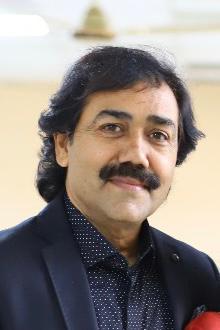
The global travel landscape is currently navigating a complex phase where geopolitical shifts are actively shaping consumer behaviour. With uncertainty softening demand for certain Middle Eastern destinations, we are witnessing a strategic pivot toward Southeast Asia and Central Asia. Destinations such as Vietnam, Thailand, and Malaysia are gaining strong traction due to visa-free access and perceived safety. Additionally, there is growing interest in Kazakhstan and Azerbaijan, offering new-age experiences that appeal to value-conscious yet adventurous Indian travellers.
India stands at a unique vantage point in this scenario. Domestically, the safety-first sentiment is driving a significant surge in luxury domestic tourism and spiritual travel. Rajasthan, in particular, continues to benefit as a safe haven for high-end experiential travel. On the inbound front, as global travellers reroute away from volatile regions, India’s improved infrastructure and the ‘Meet in India’ MICE push position it as a stable, diverse, and competitive alternative for international conferences and leisure travel.
In recent weeks, there has been a noticeable shift towards shorter booking windows, with travellers preferring last-minute and flexible itineraries. There is also a growing preference for direct flight routes that bypass Middle Eastern transit hubs to avoid disruptions. While geopolitical challenges persist, the resilience of Indian travellers remains strong, with a more calculated and conscious approach to travel decisions.
Vineet Gopal
Executive Board Member – OTOAI
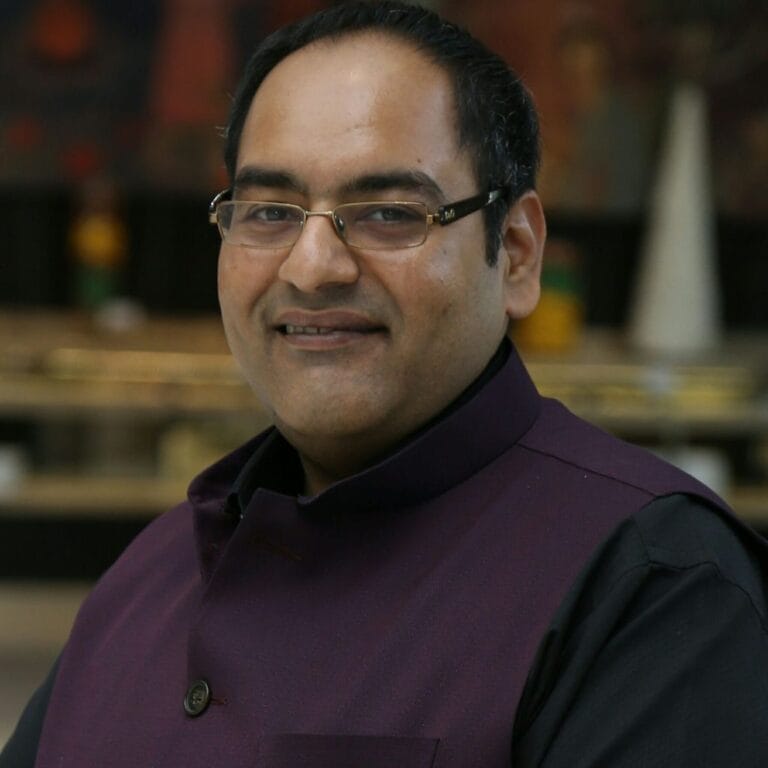
What we are witnessing is not a drop in outbound demand, but a rebalancing of travel intent. Indian travellers today don’t cancel—they recalibrate. In the immediate phase, I see Thailand, Vietnam, Singapore, Bali (Indonesia), Australia, and Russia gaining traction. Thailand and Vietnam continue to lead due to visa ease, affordability, and strong leisure appeal, while Singapore and Bali benefit from strong brand recall and familiarity. Australia will see selective growth driven by premium and VFR segments, while Russia is emerging due to simplified visa processes and competitive pricing.
India is in a unique position as both a source and destination market. On the inbound side, India is evolving into a multi-experience destination offering spirituality, luxury, wellness, and wildlife. Travellers are increasingly seeking depth, diversity, and longer stays—areas where India excels. Domestically, with over 2.5 billion tourist visits, travel is becoming aspirational and experience-led, with growth in luxury stays, spiritual circuits, destination weddings, and MICE. This creates a dual advantage of attracting global travellers while retaining outbound spending within the country.
The shift in traveller behaviour is subtle but clear. Rising airfares and airspace disruptions are influencing decisions, leading to shorter booking windows, preference for simpler itineraries, and a strong tilt toward short-haul destinations. Flexibility is now essential, with demand for refundable tickets and travel insurance. The Indian traveller is not stepping back—he is stepping smarter, making travel more calculated yet essential.

Dharmesh Advani
National General Secretary, ETAA
With rising challenges in travelling to Middle Eastern destinations, Indian travellers are increasingly considering Southeast Asia—particularly Thailand, Sri Lanka, Maldives, and Indonesia—driven by proximity, affordability, and strong cultural appeal. Additionally, Europe, especially Spain, Portugal, and Eastern European countries, is expected to gain traction as travellers look for stability, diverse experiences, and value for money.
India continues to stand out as a safe, culturally rich, and diverse alternative. With unrest in international markets, Indian travellers are being encouraged to explore within the country, boosting demand for heritage circuits, wellness retreats, and nature-based tourism across destinations such as Kerala, Himachal Pradesh, and Rajasthan.
Recent weeks have shown a noticeable shift in traveller sentiment, with booking patterns reflecting a preference for flexible itineraries and destinations perceived as secure. There is also a growing inclination towards experiential travel, including smaller group tours, boutique stays, and safaris, rather than large gatherings. Safety, value, and meaningful experiences are now stronger decision drivers, making adaptability essential for both outbound and domestic operators.
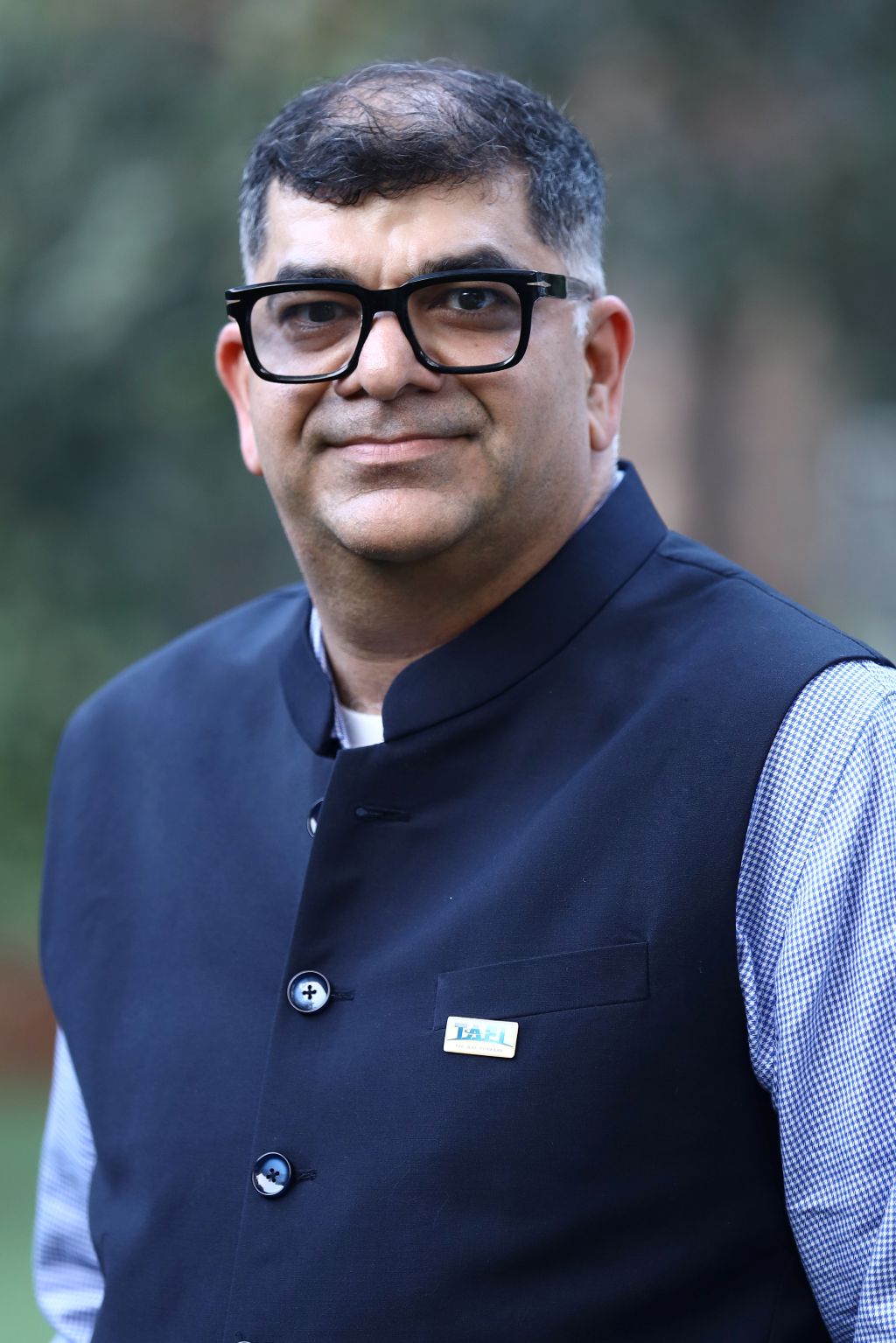
Jay Kantawala
Chapter Chairman – TAFI Western India
As geopolitical headwinds reduce demand for certain Middle Eastern corridors, Indian outbound travel is clearly pivoting eastward. Destinations that combine safety with high experiential value are capturing this redirected demand. Southeast Asian destinations such as Thailand, Vietnam, Singapore, and Indonesia remain frontrunners due to proximity and ease of visa access. At the same time, Japan and South Korea are witnessing accelerated traction, attracting travellers with their strong cultural appeal and secure environments.
Domestically, global uncertainty is encouraging an inward focus, with high-spending Indian travellers increasingly prioritising domestic experiences. Regions such as Kashmir, Ladakh, and the Northeast, along with curated circuits in Rajasthan and Kerala, are seeing strong momentum as travellers seek meaningful and immersive experiences within India.
Recent weeks highlight a clear shift in consumer behaviour, with risk mitigation becoming a priority. There is a growing demand for trusted operators and end-to-end managed itineraries, along with shorter booking windows and a strong preference for flexible cancellation policies. While geopolitical volatility is prompting immediate adjustments, the fundamental desire to travel remains strong, with Indian travellers approaching travel with greater awareness, caution, and strategic intent.
Follow BOTT on LinkedIn, Facebook, Twitter & Instagram
Subscribe BOTT Channels on WhatsApp & Telegram to receive real time updates