













 The state, which boasts roughly 60,000 villages, is actively looking for local entrepreneurs to drive this rural transition by offering a substantial 25% capital subsidy under its current tourism policy.
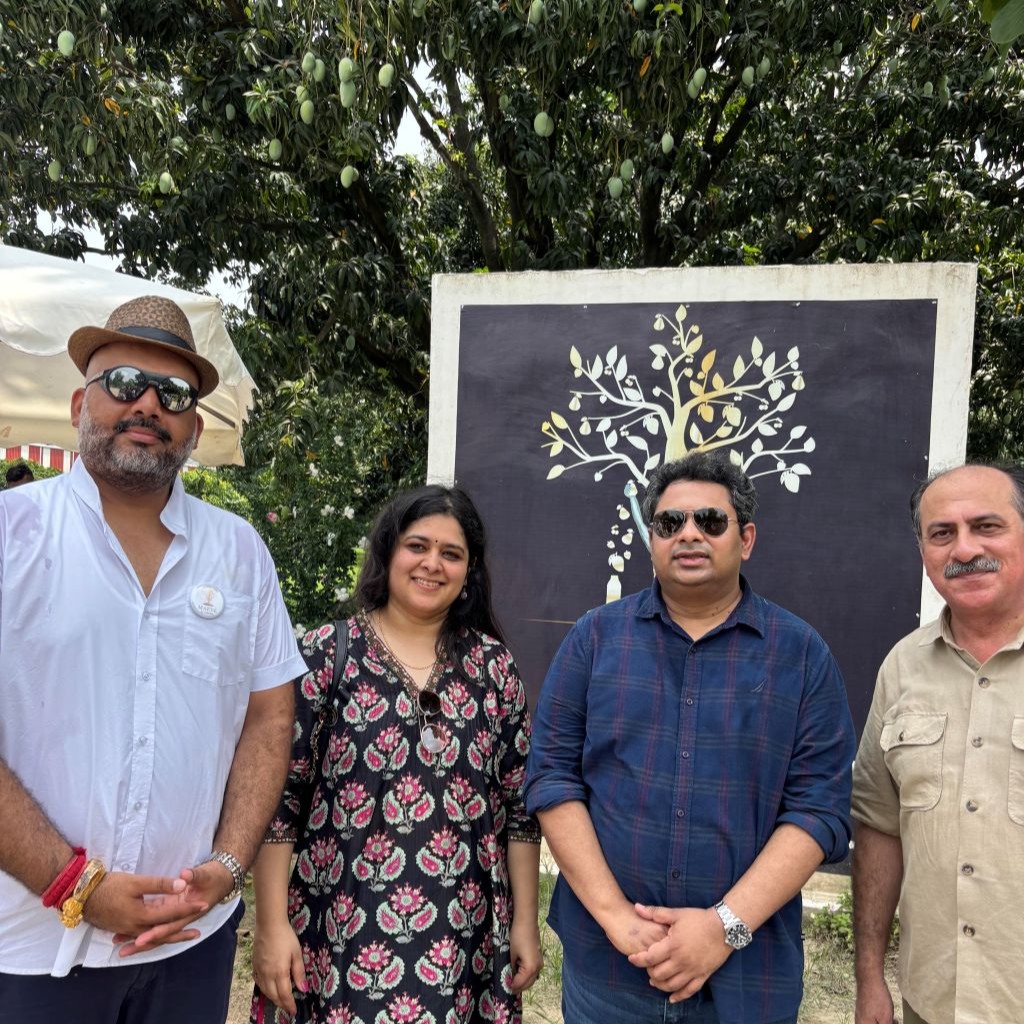
In an interview with Mridul Chaudhary, Special Secretary to Govt of UP Tourism Deptt & Director Tourism UP Lucknow at Maeve Meadery Experience by Tornos India, the Special Secretary and Director of Tourism shared interesting updates on how UP Tourism is moving beyond spiritual tourism and introducing new concepts such as farm tours and winery experiences.
Speaking during his visit to the Madhav Farm Meadery and experiential centre on the outskirts of Lucknow, the Special Secretary and Director of Tourism highlighted the government’s shift toward high-value, niche travel experiences. The farm features a massive cultivation setup, including 400 distinct varieties of mangoes, and a state-of-the-art mead bottling plant.
“UP tourism is currently riding very high on spiritual tourism. Major hotspots like Varanasi, Ayodhya, and Sarnath, alongside the Taj Mahal, act as massive primary pull factors for domestic and international travellers,” the Director said. “However, we want those same tourists to extend their stays and experience the deeper roots of the state through rural, adventure, and MICE tourism.”
The strategy relies heavily on leveraging the hyper-local identity of the chosen 250 villages. Rather than generic rural setups, the department is targeting pockets with pre-existing, distinct identities—ranging from agricultural specialties like mango farming to traditional craftsmanship hubs like pottery villages, or locations centred around prominent local lakes and temples. To support this, the government is stepping in to fund and build the necessary civic and connectivity infrastructure in these regions.
The Director’s visit also highlighted an emerging synergy between tourism and the state’s excise frameworks, which now permit and promote experiential tours to local wineries and meaderies. While the tourism department does not yet have a formal, standalone policy specifically tailored to wineries, officials are actively auditing early-stage private setups to evaluate their commercial and tourism potential.
“What I have seen here can easily compete on an international level,” the Director remarked, noting the high turnout of urban visitors spending their Sundays at the farm. “Younger generations are increasingly disconnected from where their food originates, knowing only the supermarket aisles. Modern life is driving a fatigue that makes people want to return to their roots.”
The state’s approach is highly inter-departmental. Beyond tourism capital incentives, the featured Madhav Farm project successfully secured back-end financial support and subsidies from the horticulture department. Moving forward, the Tourism Director suggested that such niche agricultural and beverage setups should forge ties with international luxury brands to attract premium, high-spending travellers.
The experiential push aligns with broader state initiatives. The visit coincided with a state-wide afforestation campaign initiated by the Honourable Chief Minister, highlighting a holistic government effort to merge ecological preservation with sustainable, income-generating rural tourism.
Follow BOTT on LinkedIn, Facebook, Twitter & Instagram
Subscribe BOTT Channels on WhatsApp & Telegram to receive real time updates