















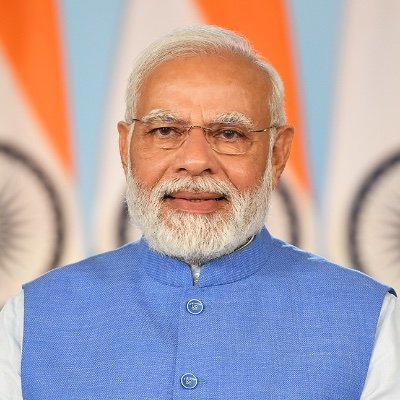
Speaking at a public gathering in Hyderabad, the Prime Minister reportedly urged Indians to reconsider overseas holidays, reduce fuel usage, avoid non-essential foreign travel, use public transport, carpool where possible and support domestic consumption. According to reports, he also appealed to people to avoid hosting destination weddings abroad and instead look at India’s own destinations, thereby helping conserve foreign exchange and support the local economy.
For the travel trade, the appeal comes during the peak summer holiday season, when Indian families traditionally look at destinations such as Europe, Southeast Asia, the Middle East and Australia. Industry reports have indicated that outbound travel enquiries were already seeing pressure because of inflation, higher airfares and rising travel costs. The Prime Minister’s appeal may further encourage a section of travellers to either postpone overseas plans or consider domestic alternatives.
However, this shift need not be seen only as a challenge for outbound operators. It can also be viewed as a strong opportunity for the domestic tourism ecosystem. India today offers a wide range of experiences that can compete with many international holidays—beaches in Andaman and Lakshadweep, luxury palace stays in Rajasthan, wellness retreats in Kerala and Uttarakhand, mountain escapes in Himachal Pradesh and Kashmir, cultural circuits in Madhya Pradesh and Uttar Pradesh, and high-end urban hospitality across major metros.
The appeal could especially benefit hotels, resorts, airlines, rail tourism, road-trip circuits, homestays, local guides, transport providers, restaurants and destination management companies. If positioned well, domestic holidays can appeal not only to budget travellers but also to premium Indian travellers who may otherwise spend overseas. Luxury domestic travel, boutique stays, experiential itineraries, wildlife holidays, spiritual tourism, wellness breaks and wedding tourism could all see renewed interest.
One of the most important segments that may benefit from this appeal is domestic destination weddings. India has world-class wedding destinations across Rajasthan, Goa, Kerala, Uttarakhand, Himachal Pradesh, Gujarat and Madhya Pradesh. A stronger push towards “Wed in India” can keep large wedding spends within the country, create employment and support multiple sectors—from hotels and event planners to florists, artists, transporters, designers and local vendors.
At the same time, the outbound industry will watch the impact closely. Many summer bookings are made months in advance, and travellers with visas, air tickets and hotel bookings may not cancel immediately. However, new bookings, especially for non-essential leisure trips, could see some hesitation if fuel prices, airfare volatility and economic sentiment remain concerns.
The Prime Minister later clarified that reports suggesting any proposed tax, cess or surcharge on foreign travel were “totally false” and that there was “not an iota of truth” in such claims. This clarification is important for the trade as it signals that the appeal is advisory in nature, not a formal restriction on overseas travel.
Travel industry stakeholders have also underlined that while domestic tourism should be encouraged, inbound tourism must receive equal policy attention. FAITH has reportedly supported the Prime Minister’s appeal but also stressed that attracting more foreign tourists to India is equally important, as inbound tourism directly earns foreign exchange. The body has called for stronger global marketing, improved visa processes and better international connectivity to make India more competitive as a destination.
From a tourism perspective, the message is clear: India must travel more within India, but India must also welcome more of the world. The current situation presents an opportunity to strengthen domestic circuits, create attractive short-haul packages, promote lesser-known destinations and make Indian holidays more aspirational. State tourism boards, hotels, airlines and tour operators can use this moment to launch value-led packages, family holiday offers, wedding promotions and thematic circuits around culture, cuisine, wellness, adventure and heritage.
For BOTT’s travel trade readers, the larger takeaway is that PM Modi’s appeal could reshape travel sentiment in the near term. Outbound demand may moderate in certain segments, but domestic tourism could gain fresh momentum if the industry responds quickly. The need of the hour is not just to ask Indians to travel within India, but to make travelling within India seamless, exciting, affordable and globally competitive.
In many ways, the Prime Minister’s appeal has turned the spotlight back on India’s own tourism wealth. For the industry, this is the moment to convert national sentiment into real travel movement.
Follow BOTT on LinkedIn, Facebook, Twitter & Instagram
Subscribe BOTT Channels on WhatsApp & Telegram to receive real time updates