















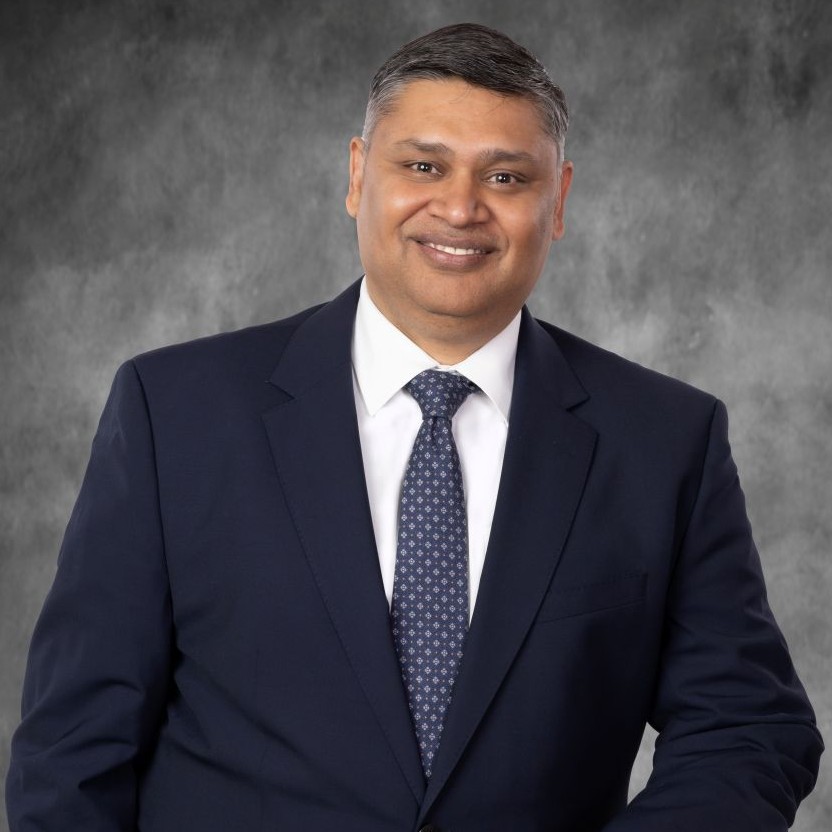
Priyanka Saxena Ray
How do you see Wyndham Hotels & Resorts’ India portfolio evolving over the next three to five years, and which markets or segments will drive this expansion?
In the next three to five years, we see our India portfolio evolving across both Tier 1 cities and emerging markets. We will continue to strengthen our mid-scale portfolio, including Ramada, while also expanding our upscale and lifestyle offerings in high-potential markets.
At the same time, we see significant opportunity beyond the metros, particularly in Tier 2 and Tier 3 cities where business, leisure and spiritual travel are growing rapidly. From spiritual destinations such as Ayodhya and Vrindavan to emerging leisure markets such as Kochi, our focus will be on being present in destinations where we see sustained demand and long-term potential. So, it is not simply about adding more hotels; it is about having the right brands in the right markets.
How important are Tier II and Tier III cities to Wyndham’s India strategy?
Tier 2 and Tier 3 cities have always been an important part of our strategy. Our approach was never simply about expanding our footprint; it was about building a meaningful and enduring presence in markets that we believe have long-term potential.
This potential is also being reinforced by the Government of India’s focus on tourism and infrastructure development. The recent signing of Vienna House Easy in Vrindavan reflects this approach. Bringing a European lifestyle brand to an emerging spiritual destination demonstrates our confidence in the evolving potential of these markets.
When we evaluate a new market, we look at a combination of factors—the strength and diversity of demand, the destination’s growth potential, connectivity, and, importantly, whether there is a sustainable opportunity for the right brand to thrive over the long term.
What are the most significant changes you are seeing in guest expectations?
Guest expectations have become much more personalised. Today, travellers don’t just want a comfortable room; they want to feel recognised and understood throughout their journey. A guest who stays with us in one city and then travels to another should experience that same sense of familiarity and continuity.
We invest in cloud-based, mobile-first infrastructure so that our owners across very different markets can plug into the same guest data ecosystem. Our connected systems and the Wyndham Rewards ecosystem help ensure that guest preferences can travel with the guest across our portfolio.
Hospitality is ultimately built on relationships, and every stay should strengthen that relationship rather than start from scratch.
Which demand segments will create the strongest opportunities over the next few years?
Weddings will continue to be a very important segment for India. It is a market that continues to evolve, with celebrations becoming more experiential, personalised and increasingly destination-led. Properties such as Wyndham Grand Udaipur Fateh Sagar Lake, with its extensive event spaces, are well positioned to cater to destination weddings and large celebrations.
At the same time, bleisure is becoming increasingly relevant as the boundaries between business and leisure travel continue to blur. According to GHA DISCOVERY research, 81% of Indian business travellers extend their work trips for leisure, compared with 76% globally.
MICE is another segment with significant potential. As businesses expand beyond the major metros and companies increasingly look at destinations outside traditional business centres for conferences, meetings and incentive travel, we see an opportunity for hotels in both established and emerging destinations.
Looking towards 2030, what will differentiate successful hotel brands in India?
By 2030, I don’t think success in hospitality will be defined by scale alone. Scale and distribution will continue to matter, but they will have to be supported by technology, loyalty, localisation and a genuinely personalised guest experience.
Technology will play an important role in enabling that personalisation, but it cannot replace the human side of hospitality. The strongest brands will be those that use technology to enhance the guest relationship, not replace it.
A strong loyalty programme gives a brand the ability to build a relationship with a guest beyond a single stay and create value across different destinations and travel occasions. At the same time, localisation will be critical in a market as diverse as India.
Ultimately, I believe the successful hotel brands of 2030 will be those that can combine scale with relevance using technology and distribution to reach guests, loyalty to retain them, and authentic, personalised experiences to give them a reason to come back.
Follow BOTT on LinkedIn, Facebook, Twitter & Instagram
Subscribe BOTT Channels on WhatsApp & Telegram to receive real time updates