

















BOTT DESK

How important is the Indian market to Centara Hotels & Resorts, and how has demand from Indian travellers evolved over the past few years?
India is one of Centara Hotels & Resorts’ most important source markets, consistently ranking among the top nationalities across our properties, with Indian travellers forming the largest demographic at some destinations. Centara has built structured trade partnerships in India since 2016, when we conducted our first roadshows in Delhi and Mumbai, making the market central to our growth strategy in Thailand, the Maldives, Japan and beyond.
Indian tourists are among the top nationalities at Centara properties, with some resorts reporting Indians as their largest guest segment. One of our strengths is that Centara is very strategically located in destinations that have always been preferred and liked by Indian travellers. This encourages Indians to choose Centara again and again.
Centara also focuses on Indian culture and preferences. Indian food is widely and easily available across most of our properties, including vegetarian and Jain food, which is an important consideration for Indian travellers.
Popular Centara properties among Indian travellers include Centara Grand Mirage Pattaya, Centara Grand Phuket, Centara Grand at CentralWorld and Centara Reserve. In the Maldives, our products, especially Centara Ras Fushi and Centara Mirage, are particularly popular with the Indian market.
Centara Hotels & Resorts has been expanding its global footprint. Could you share your expansion strategy and the destinations or new properties that you believe will particularly appeal to Indian travellers?
Apart from the Maldives, where we have a very strong hold, Japan is now an important market for us. Centara Grand Osaka has given us the upscale segment that we wanted for Japan. We have now also opened Centara Life Osaka, which will help us attract the volume-driven, budget segment as well. Together, these properties allow us to cater to different categories of Indian travellers visiting Japan.
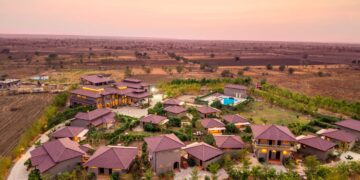
We also have our brand-new product in Pokhara, Nepal, catering to the niche and upscale segment that we believe Pokhara was missing so far. With Nepal’s proximity to India and its appeal among Indian travellers, we see good potential for this product.
The travel trade continues to play a significant role in outbound tourism from India. How is Centara strengthening its partnerships with travel agents and tour operators, and what initiatives are planned to support the trade?
The best example of our commitment to the travel trade is the Reward and Recognition Night that we organise every year. This is our way of saluting and giving back to our partners who support us throughout the year.
The Indian travel trade has played an important role in building Centara’s presence in the market, and we deeply value these relationships. Our focus is to continue strengthening this engagement and recognising the contribution of our partners who have supported Centara’s growth across destinations.
Looking ahead, what are your key priorities for Centara Hotels & Resorts in the Indian market over the next few years, and where do you see the biggest opportunities for growth?
I would say Centara is going to shine in the luxury segment with our luxury portfolio, Reserve. We are already present in the market with Centara Reserve Samui, and this will be followed by Centara Reserve Krabi, opening this December. The new property will add great visibility to the Reserve portfolio.
There is already considerable interest around the upcoming opening, and I know India is waiting for Centara Reserve Krabi to open. With the Indian market increasingly looking for premium and luxury experiences, we see significant opportunities for Centara’s luxury portfolio in the years ahead.
Follow BOTT on LinkedIn, Facebook, Twitter & Instagram
Subscribe BOTT Channels on WhatsApp & Telegram to receive real time updates