













Union Budget 2026 has drawn strong attention from the travel and tourism fraternity, with leading voices across hospitality, aviation and the travel trade sharing their perspectives on the opportunities it unlocks for the sector.

Zubin Karkaria, Founder & CEO, VFS Global
“The Union Budget charts a strong roadmap to Vision 2047, positioning tourism, mobility, and human capital as engines of long-term growth. By recognising tourism as a catalyst for jobs, foreign exchange, and regional development, the government is building a more competitive and resilient travel ecosystem.
The emphasis on capacity building is encouraging with measures towards infrastructure development, skill enhancement, and institutional support that will help strengthen service quality, destination readiness, and ease of doing business. Initiatives like the National Institute of Hospitality, upskilling of tourist guides, and the National Destination Digital Knowledge Grid will have an enduring impact in the long-term.
Sustainable, heritage, and experiential tourism, along with support for medical tourism hubs, will diversify India’s offerings, while reductions in TCS on overseas tour packages and TDS under the Liberalised Remittance Scheme for education will ease financial pressure on Indian travellers and students, boosting global mobility and connectivity.”
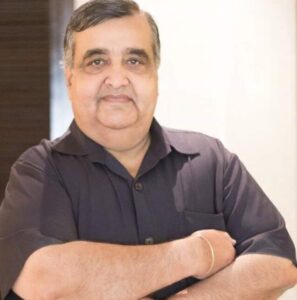
Rajiv Mehra, General Secretary, FAITH
“We welcome the government’s initiatives to develop new adventure trail sites across states, the focus on upskilling tourist guides, the use of AI for enhancing tourist destinations, and the reduction of TCS on overseas travel. These are progressive steps for the sector. However, we were expecting a clear budgetary allocation for international tourism promotion, which appears to have been missed. Strengthening India’s visibility in global markets and measures for soft branding are critical to accelerating inbound tourism.
Additionally, measures around improved air connectivity, ease of e-visa access, rationalisation of GST for tourism services, and a single-window approach for tourism infrastructure projects would have further strengthened the growth momentum. A focused push in these areas can significantly enhance India’s competitiveness as a global tourism destination.”
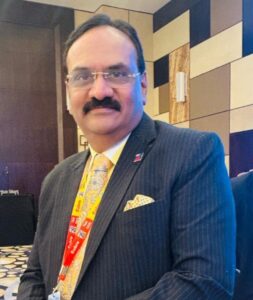
Sunil Kumar, President, TAAI
“A fairly good budget for the Travel & Tourism Industry. Thank you Hon’ble Minister Smt. Nirmala Seetharaman. India Budget 2026 reflects initiatives towards progressive approach. Some highlights include – Reduction of TCS to 2 PERCENT FLAT on all Outbound Tours; Boosting Tourism in North East with the 5 Tourism Circuits with focus on Buddhist Centers and Temples, Eight High Speed Rail Connections, Skill Development; Support to Hiking Activity are areas that immediately draw attention. The much awaited recognition of an Industry Status to Travel & Tourism remains not to draw the Governments favourable attention. TAAI surely welcomes an immediately impacting reduction of 2 percent TCS, which prevents the tours purchased directly by the travelers bye-passing Indian tour operators. We await a more detailed clarification on these points.”

Himanshu Patil, President, OTOAI
OTOAI is pleased to inform that as per the revised clarification table, Sl. No. 8 of the relevant sub-section, which earlier mandated TCS at the rates of 5% and 20% on the sale of overseas tour programme packages, including expenses towards travel, hotel stay, boarding, lodging, or any related expenditure, has now been rationalised to a flat 2% TCS, without any threshold limit. This marks one of the most meaningful tax relief measures the outbound tourism sector has witnessed in recent years.
Under the earlier regime, outbound tour packages attracted 5% TCS on payments up to INR 10 lakh and a steep 20% on amounts exceeding INR 10 lakh, creating significant financial and operational challenges for travellers as well as domestic outbound tour operators. The revised structure will substantially ease this burden and improve affordability for Indian travellers.
OTOAI extends its sincere appreciation to the Government of India, particularly the Ministry of Finance and the Ministry of Tourism, and conveys special thanks to Shri Gajendra Singh Shekhawat, Hon’ble Minister of Tourism, for acknowledging the industry’s concerns and taking proactive steps to enhance the competitiveness and growth of India’s outbound tourism sector.
Ravi Gosain, President, IATO
The Union Budget’s focus on tourism is timely and welcome, recognising its role in jobs, foreign exchange and inclusive growth. Steps like guide skilling, the National Institute of Hospitality and the Destination Digital Knowledge Grid will strengthen India’s tourism ecosystem, while the push for eco-tourism and experiential travel is encouraging. 2% TCS on overseas travel will help outbound tourism. However, the lack of a dedicated allocation for overseas tourism promotion remains a concern. That said, tourism’s mention in the Finance Minister’s speech gives confidence that stronger financial support will follow.
 Lokesh Bettaiah, Vice President of TAAI
“Union Budget 2026 marks an encouraging step towards strengthening India’s travel and tourism ecosystem through a strong infrastructure and connectivity push. Measures such as the rationalisation of TCS to 2% on overseas tour packages will provide immediate relief to travellers and tour operators alike, while initiatives around high-speed rail, seaplane connectivity and destination development will enhance access to emerging tourism regions. TAAI views this as a positive direction for both outbound and domestic tourism, and we look forward to further operational clarity and continued engagement with the Government to ensure these announcements translate into tangible industry growth.”
Shreeram Patel, Honorary Secretary General, TAAI
“We at TAAI thank the FM Nirmala Sitharaman for a pragmatic and growth-oriented budget especially for tourism and hospitality. The rationalisation of TCS to 2% without any limits on overseas tour packages will significantly boost outbound travel, improve cash flows and aid faster decision-making. Finally, our recommendations were accepted by the ministry.
The strong thrust on roads, railways, sea plane aviation and regional connectivity will enhance domestic & inbound tourism, facilitate religious and temple pilgrimage circuits & strengthen domestic travel across emerging destinations. TAAI appreciates the satisfaction that several representations made by the Association have been positively considered, though not in entirety. The train corridors will also give enhancement to last mile connectivity for travellers.

K B Kachru
President, Hotel Association of India (HAI) and Chairman – South Asia, Radisson Hotel Group
“Budget 2026-27 reflects a strong focus on accelerating and sustaining economic growth, with a decisive push on infrastructure- both critical drivers for the tourism sector, where growth is closely linked to these factors. The renewed emphasis on the services sector, coupled with the recognition of tourism’s potential to generate employment, boost foreign exchange earnings, and expand local economies, is particularly encouraging.
The Budget’s proposals, including the National Institute of Hospitality, aim to strengthen industry-aligned skilling, research, and leadership development. Infrastructure growth in Tier 2–3 cities, the East Coast Tourism Corridor, and importantly focus on medical-value tourism, are expected to boost hotel viability, diversify India’s offerings, and enhance global competitiveness. Content-creator labs will further amplify India’s tourism story. Industry-specific measures, including the development of new tourist experiences and their enhancement through technology, such as the establishment of the National Destination Digital Knowledge Grid, further signal a forward-looking approach.
Despite the Budget’s positive thrust, a long-standing aspiration of the sector, comprehensive infrastructure recognition, remains unmet. Realizing the sector’s true potential requires key structural reforms: expanding infrastructure recognition beyond the currently designated destinations to ensure equitable access to capital, placing tourism on the concurrent list to strengthen Centre-state policy coordination, and rationalizing GST to enhance competitiveness. These enablers will amplify the impact of current initiatives and provide a strong foundation for sustainable, long-term growth across the tourism sector.”

Nikhil Sharma, MD & COO, South Asia, Radisson Hotel Group
“We welcome the Union Budget 2026–27 presented by the Hon’ble Finance Minister, which lays the foundation for hospitality and tourism to scale responsibly across India while reinforcing the sector’s role in employment generation and regional economic growth. The renewed focus on strengthening last-mile infrastructure, expanding rail connectivity, and promoting destination-led tourism beyond major metropolitan centres creates a strong foundation for expanding tourism into new growth markets.
The focus on sustainable and experiential tourism, including the development of Himalayan trails, the continued push for Buddhist circuits, and the strong policy thrust on the Northeast, will support the growth of diverse tourism segments while enabling more balanced regional development. These measures are expected to encourage longer stays, wider travel dispersal, and stronger demand for quality accommodation and services across tier-2 and tier-3 markets.
One of the key initiatives is the announcement to set up a National Institute of Hospitality and strengthen the Council for Hotel Management, recognising that skilling will be critical to the sector’s long-term sustainability. The hospitality industry has been reinforcing its talent pipelines through structured training programmes, partnerships with hospitality institutes, and focused efforts to build local capabilities.”

Anil Chadha, Managing Director, ITC Hotels
“The Budget’s renewed focus on tourism is a strong vote of confidence in an industry that creates livelihoods at scale, supporting local entrepreneurs, artisans, and communities across the tourism value chain. The proposed upgradation of National IHMs and the NCHMT (National Council for Hotel Management and Catering Technology), alongside structured guide skilling initiatives, will significantly strengthen service quality and global competitiveness in hospitality. The emphasis on medical tourism further positions India as a trusted destination combining care, capability and hospitality. Equally transformative is the push towards a digital and AI-enabled tourism knowledge framework, which will enhance discoverability, planning and destination management. The Budget’s ‘Growth Connectors’—seven high speed rail corridors will enhance connectivity between western, southern & eastern parts of the country. The focus on adventure tourism including trekking, hiking and wildlife trails along with development of Buddhist circuits across North-East states highlights the importance of responsible, experience-led growth that protects the very destinations travellers seek. Together, these measures present a timely opportunity to build India’s tourism advantage on quality, authenticity and sustainability.”

Rajesh Magow, Chair, FICCI Tourism Committee and Co-founder & Group CEO, MakeMyTrip
“The Budget reinforces the government’s sustained focus on travel and tourism as a long-term growth driver. The rationalisation of TCS on overseas tour packages is a welcome step that addresses upfront liquidity impact on Indian outbound travellers. The government’s infrastructure-led investments have played an important role in supporting the growth of domestic tourism, and it is encouraging to see this momentum being sustained. Continued focus on regional connectivity and destination development, along with an emphasis on skilling and the creation of a national digital repository for destinations, will help improve destination discovery and enhance the overall traveller experience.”

Rahool Macarius, Market Managing Director, Eurasia, Wyndham Hotels & Resorts
“We appreciate the government’s focus in the Union Budget 2026, which reinforces India’s commitment to strengthening the hospitality and tourism sector. By reimagining heritage sites, supporting Buddhist circuits, and enhancing connectivity through initiatives such as the Green High-Speed Rail Network, the Budget will increase tourism demand and attract more visitors to culturally, historically, and spiritually significant cities. This, in turn, will strengthen tourism in Tier-II and Tier-III regions, providing a strong platform for hospitality brands to expand alongside India’s growth trajectory. Initiatives such as world-class hospitality talent hubs, professional guides, and structured skilling programs are expected to elevate visitor experiences, extend stays, and support local economies. Coupled with digital destination initiatives and sustainable eco-trails, these measures will enhance service standards, create dignified livelihood opportunities for young talent, and give a meaningful boost to the overall growth and competitiveness of India’s hospitality sector.”

Richa Adhia, Managing Director, Eight Continents Hotels & Resorts
“We appreciate the government’s focus in the Union Budget 2026 on creating dignified livelihood opportunities and nurturing young talent within India’s hospitality sector. Investments in professional guides, world-class hospitality talent hubs, and skill development initiatives will raise service standards and strengthen local employment. Alongside these workforce measures, efforts to reimagine heritage sites, promote digital destinations, expand eco-trails, develop sustainable adventure and medical tourism are expected to boost visitor engagement and attract global travellers. Together, these initiatives signal a forward-looking and positive Budget for the hospitality industry.”
Hari Ganapathy, Co-Founder, Pickyourtrail
The emphasis on experience-led growth—through integrated medical and tourism hubs, the development of immersive heritage destinations, and the expansion of eco- and nature-based tourism- significantly strengthens India’s appeal for international travelers seeking authentic, high-quality, and purpose-driven experiences. These initiatives not only diversify India’s inbound tourism narrative beyond metros and seasonal circuits but also distribute economic benefits more evenly across regions and communities.
Equally important are the structural reforms aimed at strengthening the tourism supply side. The upgrade of the National Council for Hotel Management into a National Institute of Hospitality, the upskilling of 10,000 tourist guides, and the creation of a National Destination Digital Knowledge Grid will elevate service quality, improve global discoverability, and align India’s tourism ecosystem with international standards. This focus on human capital and digital infrastructure is critical for competing with established global destinations.
From an outbound travel perspective, the emphasis on technology-led governance and the reduction in TCS on overseas tour packages meaningfully improve affordability, transparency, and ease of travel for Indian consumers. This supports the rapid growth of India’s outbound market while enabling travel companies to design more personalised, seamless experiences.
Somesh Agarwal, Managing Director & Chairman, Radisson Blu Palace Resort & Spa, Udaipur
“The Union Budget 2026’s emphasis on revitalizing heritage destinations and promoting culturally and spiritually significant cities is a positive signal for India’s tourism sector. Programs such as Purvodaya tourism, enhanced connectivity, and skill development initiatives are poised to attract more travellers and open new avenues for hospitality brands to deliver distinctive and memorable experiences in iconic destinations like Udaipur. By fostering young talent and creating livelihood opportunities, these measures will strengthen service excellence and enrich the guest journey. Overall, this Budget lays the foundation for a vibrant and forward-looking tourism and hospitality landscape.”
Kush Kapoor, CEO, Roseate Hotels & Resorts
“The Union Budget’s strong focus on hospitality, tourism skilling and destination development is a welcome and timely step for our sector. The proposed National Institute of Hospitality will play a critical role in creating a future-ready talent pipeline, ensuring that hotels have access to skilled professionals aligned with global service standards. Initiatives such as structured training for tourist guides, the national digital destination registry and the emphasis on heritage, adventure and eco-tourism will directly enhance destination appeal, improve guest experiences and drive longer stays. For hotels, this translates into better storytelling, more immersive experiences for guests and a stronger ecosystem that supports sustainable growth and foreign exchange earnings.”
 Samir MC, CEO, Tamara Leisure Experiences
“This Budget lays out a coherent, long-term blueprint to take India’s hospitality and tourism sector decisively onto the global stage. By strengthening institutional capability through a National Institute of Hospitality, envisioned as a bridge between academia, industry, and government, alongside a clear emphasis on skilling and connectivity, it creates a strong foundation for sustainable sectoral growth.
Particularly encouraging is the shift towards experience-led tourism, spanning archaeological and heritage sites, spiritual and Buddhist circuits, temple towns, and nature-based destinations across emerging regions. The focus on immersive storytelling, destination-led infrastructure, and development beyond metros reflects an approach aligned with building responsible hospitality destinations that are rooted in place, culture, and community. With improved regional and last-mile connectivity, greener mobility solutions, streamlined clearances, and targeted support for Tier II and Tier III cities as growth engines, the ecosystem is becoming more conducive to long-term, responsible growth.

Mahesh Iyer – MD & CEO, Thomas Cook (India) Limited
“The Union Budget 2026 reflects a strong recognition of tourism as a strategic pillar for economic growth, employment generation, and regional development. From a consumer standpoint, the rationalisation of Tax Collected at Source is a welcome move, the simplified flat 2% TCS on overseas tour programme packages replaces the earlier two-tier structure, easing compliance and unblocking cash flows for travellers. We also appreciate the reduction of TCS to 2% on education and medical remittances, which will significantly ease the burden on these important long-term drivers, especially amid the impact of rupee depreciation.
The pilot initiative to upskill 10,000 tourist guides across 20 iconic sites through a standardised 12-week hybrid programme is a strong step towards ensuring quality service delivery and enhancing India’s global competitiveness. Additionally, the development of seven high-speed rail corridors, expansion of 20–25 new National Waterways, and incentives for indigenising seaplane manufacturing will greatly enhance connectivity and unlock new tourism circuits, including remote and island destinations. The proposed scheme to develop five regional medical tourism hubs in partnership with the private sector further strengthens India’s positioning as a global healthcare destination.”

Rajeev Kohli, CIS, CITP, DMCP / Joint Managing Director / Creative Travel
Unfortunately, the budget has been extremely underwhelming. Every analyst on TV has is falling it lackluster, boring, and safe. When I talk specifically about tourism, yes, the finance minister made comments about trekking routes, about archaeological sites, and about issues which are in the state’s mandate and not necessarily in the centers mandate. Good, but no game changer.
A significant change was, however, the TCS on international travel, which has come down from 5 and 20% based on the thresholds to a flat 2%. And that’s a great boost for the Indian consumer traveling overseas as it eases their cash flow.
But when looking at the deeper financial numbers of budgetary allocations for tourism ministry, the allocations have increased overall in the budget, from 1310 cr to 2438 cr for the ministry, but has removed all skill maintenance and tourism marketing spend altogether. It is insignificant with tourism marketing promotion gone from 3.07 crores to 3.50 crores
So whereas the export component of tourism, which is the Indian inbound industry, was expecting some help from the government to re-start marketing India in overseas markets, those hopes have been dashed with great cruelty. The analysis of the budget is very clear. The critical export sector of Indian tourism is left on its own and the inbound component is now in a state where we probably are just going to die a slow, painful death. Sad, but that’s the truth.
This is yet another disaster by the Modi government. It’s all temples and politics. No business. Very disappointed. Very disheartened.

Vishal Suri – MD & CEO, SOTC Travel Limited
“Budget 2026 sets the stage for accelerated growth in India’s travel and tourism sector. The reduction of TCS on outbound travel to 2% will make international holidays more accessible and boost demand. While the establishment of five regional medical tourism hubs positions India as a leading destination for integrated hospitality and healthcare. High-speed rail corridors, city economic regions and the expansion of nature-based and experiential tourism—from eco-trails and mountain circuits to wildlife and heritage experiences—will enhance connectivity and diversify offerings. Initiatives such as training 10,000 tourist guides, establishing the National Institute of Hospitality, and developing a Digital Knowledge Grid will professionalize the workforce and strengthen planning. Together, these measures enhance the competitiveness of Indian tour operators, attract investment, and create new opportunities across the tourism value chain. We welcome these progressive steps, while continuing to advocate for formal Industry status for tourism to unlock the sector’s full potential.”
Sarbendra Sarkar, MD & Founder, Cygnett Hotels & Resorts
“Budget 2026 presents a comprehensive and future-ready vision for tourism and hospitality, placing India firmly on a high-growth trajectory. The focus on building a world-class hospitality talent hub, along with professional guide training, will significantly raise service standards and create a skilled workforce capable of delivering globally benchmarked experiences. Digital destination platforms and creator-led promotion signal a modern, data-driven approach to tourism marketing that will enhance visibility and demand across regions.
The reduction of TCS on overseas tour packages to 2% is a welcome move that improves travel affordability and sentiment, while the rollout of green high-speed rail corridors will redefine inter-city mobility. Faster, sustainable rail connectivity will encourage shorter, more frequent trips and unlock new demand for city and regional hospitality. Enhanced last-mile access through initiatives such as seaplane connectivity further strengthens destination reach.
Equally impactful is the emphasis on eco-friendly mountain trails, heritage site revitalisation, Buddhist circuits and Purvodaya-led tourism development. These initiatives balance conservation with livelihood creation and help diversify tourism beyond traditional markets. The growing focus on medical tourism further positions India as a competitive global destination.”

Sumit Mitruka, Founder & CEO, Summit Hotels & Resorts
“Improved high-speed rail connectivity to Siliguri is a landmark step for the Northeast, with the potential to fundamentally reshape how the region is discovered and experienced. Though bullet train, faster and more reliable access will reduce travel fatigue, encourage longer stays, and make destinations across Sikkim, North Bengal and the wider Northeast more attractive for both domestic and international travellers. For the hospitality sector, this means stronger seasonality balance, improved viability for off-beat locations, and greater confidence for long-term investment in responsible tourism infrastructure.
Equally significant is the announcement around the development of new trekking routes. The Northeast has some of India’s most pristine landscapes, but much of this potential has remained untapped due to limited access and fragmented planning. Structured trekking corridors, developed with safety, sustainability and local participation at the core, can unlock high-value experiential tourism while preserving ecological integrity. Well-planned trails will generate livelihoods for local guides, porters and homestay owners, while also dispersing tourist footfall beyond a few overcrowded destinations.”

Shwetank Singh, MD & CEO, Chalet Hotels Ltd.
“The Union Budget 2026 represents a significant commitment to elevating India’s tourism and hospitality ecosystem, and we are genuinely encouraged by the Finance Minister’s comprehensive vision for the sector. The upgrade of NCHMCT into a National Institute of Hospitality is transformative: it will create a world-class talent pipeline that bridges industry needs with academic excellence, directly addressing the skilled manpower requirements of our expanding sector. The national digital destination registry and upgrade of 15 archaeological sites into cultural destinations demonstrate a sophisticated understanding of experiential tourism infrastructure. These initiatives, combined with ecologically sustainable mountain trail development, position India to capture diverse tourism segments from heritage to adventure to wellness. However, our long standing ask to grant comprehensive infrastructure status to the sector continues to remain a distant dream.”
Manju Sharma, Managing Director, Jaypee Hotel and Resorts
“The Union Budget 2026 clearly recognises tourism and hospitality as key drivers of employment, foreign exchange, and regional growth. The proposed National Institute of Hospitality, through the upgradation of NCHMCT, will significantly strengthen talent development and service excellence across the sector. The pilot upskilling programme for tourist guides is a timely move towards delivering consistent, high-quality experiences at India’s most iconic destinations.
The creation of a National Destination Digital Knowledge Grid is a particularly forward-looking step, combining heritage preservation with digital enablement and opening new avenues for research, content creation, and destination storytelling. The focus on sustainable nature and eco-tourism across trekking, wildlife, birding, and coastal trails demonstrates a balanced approach that aligns tourism growth with environmental responsibility.
For experience-led hospitality groups such as Jaypee Hotels & Resorts, these measures will support deeper destination development, higher service standards, and more immersive guest experiences – reinforcing India’s position as a globally competitive tourism destination”

Ritwik Khare, Founder and CEO, ELIVAAS
“Budget 2026 outlines a strong, growth-driven vision for tourism and hospitality, with infrastructure, mobility and affordability working together to expand demand. The announcement of seven high-speed rail corridors is particularly significant, as faster rail connectivity will fundamentally change how travellers plan their trips. Reduced travel time encourages more frequent, shorter holidays and makes weekend and mid-week leisure travel far more viable across regions. High-speed rail also offers a cost-effective alternative to air travel, opening the market to a wider customer base that values speed without premium pricing.
The reduction in overseas tour package TCS from 5 percent to 2 percent is another positive step, as it improves overall travel sentiment and disposable spending, indirectly benefiting domestic hospitality as travellers balance international and local experiences. Combined with improved infrastructure and destination development, these measures will increase travel velocity and diversify travel patterns beyond peak seasons.”

Bhavik Sheth, Chief Operating Officer (COO), Evoke Experiences
“From a Gujarat lens, the post-Budget focus on upgrading Indus Valley Civilisation sites like Dholavira and Lothal is a powerful step towards positioning the state as a global heritage destination. These sites are not just archaeological landmarks; they are living narratives of India’s 5,000-year-old urban intelligence, sustainability practices and civic planning. Structured investment in interpretation centres, visitor infrastructure and storytelling will allow global travellers to engage more meaningfully with this legacy, rather than experiencing it as static ruins.
For experiential hospitality brands like us, this opens up opportunities to curate immersive journeys that blend history, landscape and local communities, from guided archaeological walks and cultural immersions to responsible stays that benefit nearby regions. Gujarat has long had strong cultural assets; this announcement elevates its historical depth on the global stage. If executed thoughtfully, the upgrade of Dholavira and Lothal can redefine heritage tourism in India, moving it towards education-led, experience-driven and globally benchmarked offerings.”
Vicky Bachani, Co Founder, Jugnu, Goa
“India’s tourism and hospitality sector needs institution building and not just incentives. The proposed National Institute of Hospitality can play a defining role in creating future ready professionals who understand destination led hospitality, regional cultures, and experiential dining. For tourism and hospitality markets like Goa, which attract a strong international tourist audience, what we offer directly shapes India’s global tourism image and contributes to the economy. In such markets, success depends on authenticity, skill, and local relevance rather than replication. A structured bridge between academia, industry, and government will help raise standards, encourage innovation, and ensure that tourism growth is sustainable, meaningful, and globally competitive.”
Jigar Sanghvi, Co Founder, Epitome
“The proposed National Institute of Hospitality addresses a long standing gap between classroom learning and the realities of running hospitality businesses. For cities like Pune and Mumbai, which are growing as food culture and lifestyle hubs, this initiative can create professionals who are operationally strong, creatively confident, and business aware. By acting as a bridge between academia, industry, and government, the institute has the potential to professionalise the sector, strengthen service standards, and support the next phase of sustainable growth in India’s hospitality ecosystem.”

Manoj Bhat, Managing Director & CEO, Mahindra Holidays & Resorts India
“The Union Budget 2026 reinforces the government’s intent to use tourism and hospitality as levers for balanced economic growth rather than treating them as standalone consumption sectors. The focus on destination development beyond metros, improved physical connectivity, and a sharper push on spiritual and heritage circuits reflects a recognition that tourism growth must be geographically distributed and locally rooted.
Equally important is the emphasis on skilling and workforce development. As the sector expands into tier two and three markets, the availability of trained talent will determine not just service quality but the sustainability of growth itself. By linking infrastructure creation with human capital development, the Budget moves the conversation from short-term demand creation to building a resilient, employment-generating tourism ecosystem.”

Dinesh Yadav, Founder and MD, Fine Acers
“Budget 2026 is the most decisive signal we’ve seen in years that tourism is no longer a soft sector, it is now a core economic growth engine. With tourism already contributing close to 7–8% of India’s GDP and supporting millions of direct and indirect jobs, this Budget finally gives the sector the long-awaited structural push it deserves. The hotel business will benefit from the establishment of seven high-speed train routes which the government proposed. The improved transportation links between major cities and developing areas will boost weekend tourism and multiple city travel and continuous need for vacation resorts and unique accommodation experiences. The program to educate 10000 tourist guides while establishing five medical tourism centers will improve service standards and attract high-value international travelers to the region. Medical tourism alone is projected to grow into a USD 50 billion market in the coming years.”

Manjari Singhal, Chief Growth and Business Officer, Cleartrip
“The Union Budget 2026 signals a clear and consistent commitment to strengthening India’s travel and tourism ecosystem. Continued investments in building an integrated network of roads, railways, airports and emerging connectivity like seaplanes will make travel easier, more accessible and better distributed, supporting the next phase of both domestic and inbound tourism growth.
As infrastructure improves access and connectivity, these efforts help travellers feel more confident to explore new regions and experiences. Overall, the Budget reinforces travel and tourism as long-term drivers of jobs, regional development and inclusive growth, and sets the right foundation for India’s inbound and outbound travel story in the years ahead.”
 Vikram Lalvani, Managing Director & CEO, Sterling Holiday Resorts
“The Union Budget 2026 reflects a clear thematic shift in India’s tourism agenda from destinations to purpose-led journeys. It positions tourism as a multi-dimensional engine anchored in wellness and healing, spiritual and cultural circuits, nature and conservation-led travel, adventure and mountain ecosystems, and stronger regional connectivity that enables exploration beyond metros. Equally significant is the focus on strengthening the sector’s foundations through hospitality education and skilling, structured upskilling of guides, and the creation of a national digital knowledge grid—measures that can raise service standards, enhance visitor experience, and support sustainable destination development.
Initiatives spanning Buddhist circuits, sustainable Himalayan hiking trails, medical and wellness tourism, Ayurveda, heritage-led travel, and conservation-linked trails such as Odisha’s turtle nesting corridors together create the right ecosystem for responsible growth where communities, travellers and destinations all benefit. Overall, the Budget creates a strong tailwind for experience-led hospitality and tourism models built around circuits, longer stays and more meaningful travel.”
JB Singh, Director, InterGlobe Air Transport and President & CEO of InterGlobe Hotels,
“The Budget provides a constructive push for India’s travel and hospitality sectors. The development of cultural, heritage, and nature-based destinations, along with emphasis on skilling and institutional capacity-building, reflects a clear focus on strengthening the sector’s competitiveness, talent, and service standards. It also acknowledges India’s growing outbound tourism market, and the rationalisation of TCS on overseas travel supports this momentum. Together, these steps can enhance India’s global standing in travel and hospitality and support the long-term growth of the sector.”

Budget 2026 sends a clear signal that tourism growth must go hand in hand with environmental responsibility. The focus on nature-based tourism, ecological trails, heritage conservation, and experiential destinations reflects a conscious shift towards building tourism that is mindful, inclusive, and future-ready.
 Arjun Baljee, Founder of ICONIQA + President of Royal Orchid Hotels Ltd.
 Sandeep Arora, Director, Brightsun Travel, India
“From an industry standpoint, this Budget addresses three structural gaps that have held Indian tourism back for years, capital access, traveller friction, and product depth. Infrastructure status for hotels changes the economics of hospitality expansion, especially in under-served leisure and pilgrimage circuits where demand already exists but quality inventory has lagged. The 2% cut in outbound TCS is equally significant; it directly improves cash flow for travellers and removes a psychological barrier that has suppressed discretionary international travel. What stands out most, however, is the shift from volume-led tourism to experience-led growth, through rural stays, heritage activation, and skills development. This could be a strong Budget for infrastructure, service quality, and traveller expectations into a sustainable long-term tourism model.”
 Pronab Sarkar, MD Swagatam Tours