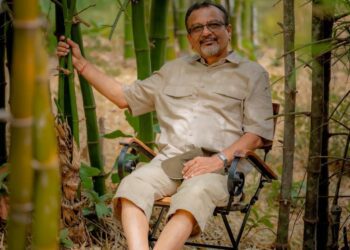














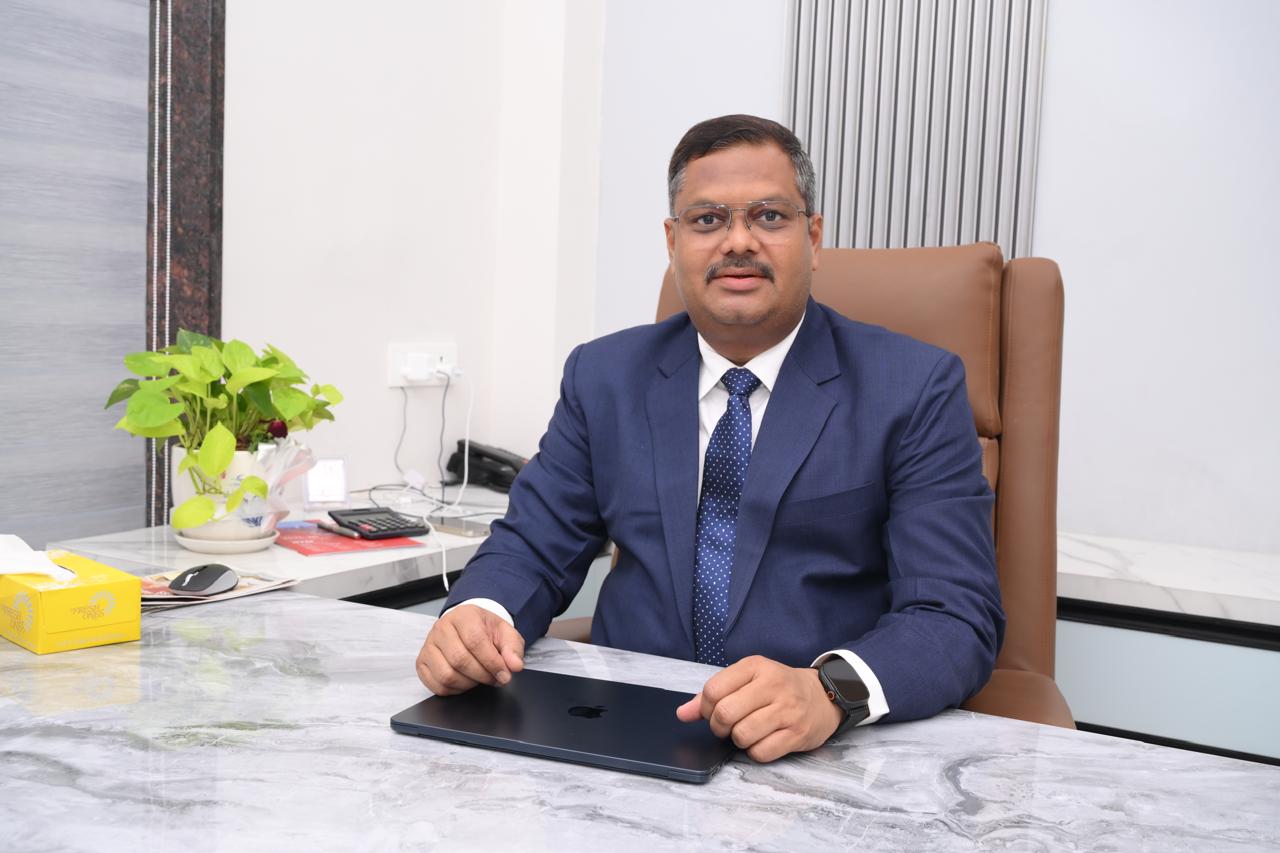
 Central India is steadily gaining attention among international travellers seeking authentic wildlife, heritage and cultural experiences. In this interaction, Mahendra Pratap Singh, Chairman, IATO Madhya Pradesh & Chhattisgarh Chapter; Chairman, FICCI Tourism Committee, Madhya Pradesh, shares insights on the growth of inbound tourism in Madhya Pradesh and Chhattisgarh, emerging travel trends, and the opportunities that can position the region more strongly on the global tourism map.
By Pallavi Sharma
How do you assess the growth of inbound tourism in Madhya Pradesh and Chhattisgarh, and what trends are you seeing among international travellers?
The growth has been steady and, more importantly, it has become more purposeful. International travellers are no longer treating Central India as a passing stop — they are choosing it with intent. Madhya Pradesh has built a strong reputation around wildlife and heritage, and that is now drawing a discerning audience from global markets.
What stands out is the shift in how visitors plan their trips. They are coming for specific experiences — tiger safaris, temple circuits, heritage clusters and cultural landscapes — rather than just checking a destination off a list. Chhattisgarh is still finding its footing on the global stage, but the curiosity is real. Travellers who value authenticity and want something away from the well-worn path are beginning to take notice.
Which destinations or experiences in Madhya Pradesh have the most untapped tourism potential?
The potential is deep and largely unexplored. River-based experiences along the Narmada, rural homestay networks, and craft trails connecting traditional artisan communities — these are areas that have not yet been developed anywhere near their capacity. We have globally recognised sites, but the real opportunity lies in building experiences around them rather than simply presenting them. Local food stories, curated village walks, slow travel journeys through heritage towns, and immersive cultural interactions are what today’s international traveller is genuinely looking for. The depth is there. What is needed now is thoughtful packaging, storytelling and consistent delivery.
How is industry–government collaboration supporting tourism infrastructure, investment, and policy in Madhya Pradesh?
The relationship has matured considerably. There is a visible commitment from the government to improve infrastructure and promote the state, and the dialogue between industry and policymakers has become more substantive over the years. Improvements in road connectivity, airport expansion, and destination branding have created a more confident investment environment. That said, the work is ongoing. For tourism to reach its full potential, policy decisions need to be grounded in ground-level realities. The operators and businesses working daily in these destinations have insights that cannot come from a desk. Continuous, structured consultation is not just helpful — it is essential.
What initiatives are promoting sustainable and responsible tourism in Madhya Pradesh and Chhattisgarh?
In Madhya Pradesh, wildlife tourism has set a positive example — controlled access, conservation-linked permits, and a growing emphasis on involving local communities through guide programmes and local supply chains are all steps in the right direction. For Chhattisgarh, the advantage is that much of this can be built in from the start rather than retrofitted later. Responsible tourism works best when it is part of the original design — not an afterthought once the damage has been done. The foundation is sound; it is now about ensuring that growth happens on those terms.
How are tour operators adapting to the growing demand for wildlife, heritage, spiritual, and rural tourism?
The shift is clear and it is accelerating. Generic itineraries are giving way to curated, experience-led journeys. Whether it is a wildlife-focused circuit, a spiritual retreat with genuine local guidance, a heritage immersion programme, or a stay within a farming community — the emphasis is on depth, not breadth. Travellers today want to understand a place, not just pass through it. That requires operators to invest real thought in crafting experiences — choosing the right local partners, building meaningful narratives, and ensuring that what is promised is actually delivered on the ground.
What is your vision to position Madhya Pradesh and Chhattisgarh on the global tourism map in the coming years?
At its core, my vision is for Central India to be seen as a destination of real substance — not a discovery for the adventurous few, but a recognised choice for thoughtful travellers worldwide.
Madhya Pradesh is well placed to be known globally for wildlife excellence, layered cultural heritage, and spiritual significance. Chhattisgarh needs to be introduced carefully — its raw landscapes, living tribal cultures, and undisturbed beauty are genuine assets that deserve a measured, quality-first approach.
The path forward rests on three things: maintaining quality, delivering consistency, and telling our story well. If the experience on the ground matches the promise made to the traveller, both states can build a global identity that is strong, distinct, and lasting.
Follow BOTT on LinkedIn, Facebook, Twitter & Instagram
Subscribe BOTT Channels on WhatsApp & Telegram to receive real time updates