

















 By Karishma Mishra
On October 15, 1932, a De Havilland Puss Moth aircraft piloted by J.R.D. Tata landed on the soil of Ahmedabad, Gujarat. The reason for this landing was not dropping down passengers nor the airmails it was carrying, but to refuel the aircraft.
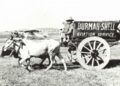
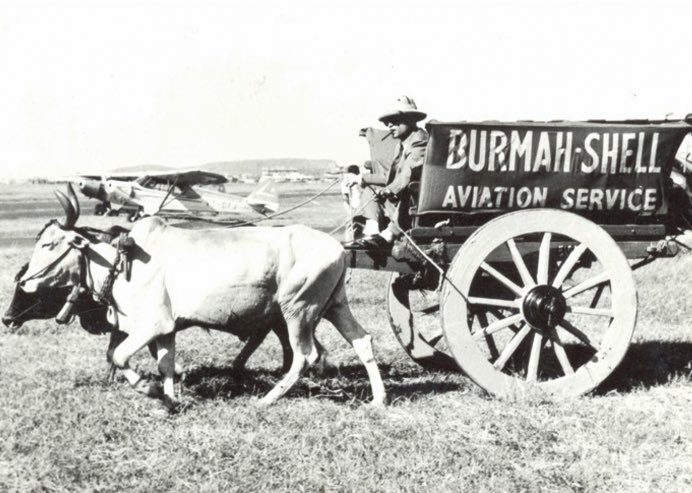
But those were not the days of instant refills, and the only source that came to the rescue was a bullock cart carrying four-gallon cans filled with petrol.
This flight was the first step in the making of what has now become Air India. The start was not grand but strategic, which helped in turning J.R.D. Tata’s vision into reality. This flight from Karachi to Ahmedabad to Bombay marked the beginning of scheduled services in India.
This is not just an incident but a point of learning as it shows that often the biggest hurdle in starting something is the thought that this would fail. It’s all about making the first move with confidence while launching anything new: as here J.R.D. Tata took without doubting and then only he was able to develop the business, which came first, and the infrastructure was built around it later.
Even though this journey began from a small single-engine plane, carrying 25 kg of mail but more than that it demonstrated the potential and value of air services. The flight showed how aircraft could help deliver letters between cities more quickly and in those times mail delivery was not a matter of clicks unlike today rather it took days to reach its destination. Hence, mail was a smart first cargo, giving services to a huge number of customers with a real need.
Aviation was still new and challenging at that time but this bold move from the Tata Air Services (later Tata Airlines and Air India) encouraged further developments in this industry.
But it was not a standalone initiative, Nevill Vintcent, a former Royal Air Force pilot, had proposed an airmail service connecting Karachi, Bombay and Madras. Once J.R.D. Tata reached with the mails at Bombay, Vintcent flew another Puss Moth carrying it onward towards Madras via Bellary.
This idea came from an operator and with all his sheer will and courage J.R.D. Tata backed this and flew the first flight himself. This partnership and confidence brought the success to this first move.
Later, the aviation department of Tata Sons became Tata Airlines in 1938 and Air India in 1946. The early improvisation proved the idea, but the structure that was followed consistently by the company aided in making this venture into a business.
However, it would be easy to romanticise that day, but the lessons need to be put under the spotlight:
- A single flight with fuel arriving by cart brought into attention the need for a backup of essential resources to serve customers reliably or at scale.
- The technology is the driving force but confidence and strong planning can only make a move into a success.
- Lastly having faith in everyone who is part of the project and being ready to take risks in business is what makes the work worth the success.
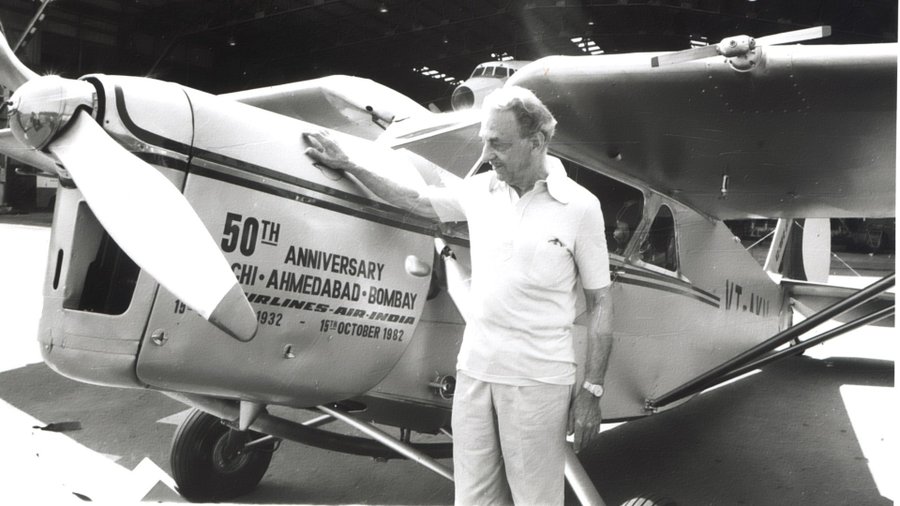
Fifty years after that first flight, J.R.D. Tata flew the route again in 1982. Air India has since come a long way, now operating internationally with around 300 aircraft and more than 8 thousand flights per week. Yet this beginning showed that a business can grow from a clear purpose, a small proof of value and people willing to solve the problem in front of them, even if the solution arrives on a bullock cart.
Follow BOTT on LinkedIn, Facebook, Twitter & Instagram
Subscribe BOTT Channels on WhatsApp & Telegram to receive real time updates