
















 For years, visas were viewed largely as an administrative requirement before an international journey. Today, they are increasingly part of a much wider mobility ecosystem that supports tourism, business travel, education, investment and cross-border commerce.
As international travel volumes continue to grow, the ability to process applications efficiently, securely and at scale has become increasingly important for governments as well as travellers.
This is where VFS Global has built a significant global position. The company works with 71 client governments and operates more than 4,200 visa and passport application centres across around 170 countries. Having processed more than 562 million transactions since inception, VFS Global today handles close to 30 million visa applications annually.
Yet the outsourced visa-processing industry still represents only a part of the overall market.
“Sixty per cent of the visa business is still not outsourced. It’s still done by the governments themselves. So, there is a huge upside over there, which is still there,” says Zubin Karkaria, CEO, VFS Global.
The figure highlights the considerable opportunity that remains as governments look for ways to manage rising traveller volumes while maintaining security, service standards and sovereign control over immigration decisions.
Mobility as an economic enabler
The relevance of visa outsourcing extends beyond administrative efficiency.
Every international journey has the potential to generate wider economic activity. Leisure travellers contribute to hotels, airlines, restaurants and local businesses; corporate travellers attend meetings and negotiate contracts; students create educational linkages; and entrepreneurs and investors explore new markets and opportunities.
The World Trade Organization recognises tourism as an important component of international trade in services, closely connected with transport, hospitality, financial services and several other economic sectors.
For VFS Global, this link between easier mobility and economic activity is increasingly central to its strategy.
“We are focusing on mobility… making sure trade improves because when we increase mobility and people travel, automatically the trade improves,” says Karkaria.
This represents an important shift in how visa-processing infrastructure can be viewed. Rather than simply being a procedural step before travel, it becomes part of the wider system that enables people, businesses and economic opportunities to move across borders.
Supporting governments while retaining sovereign control
A key feature of the outsourcing model is the clear separation between administrative processing and visa decision-making.
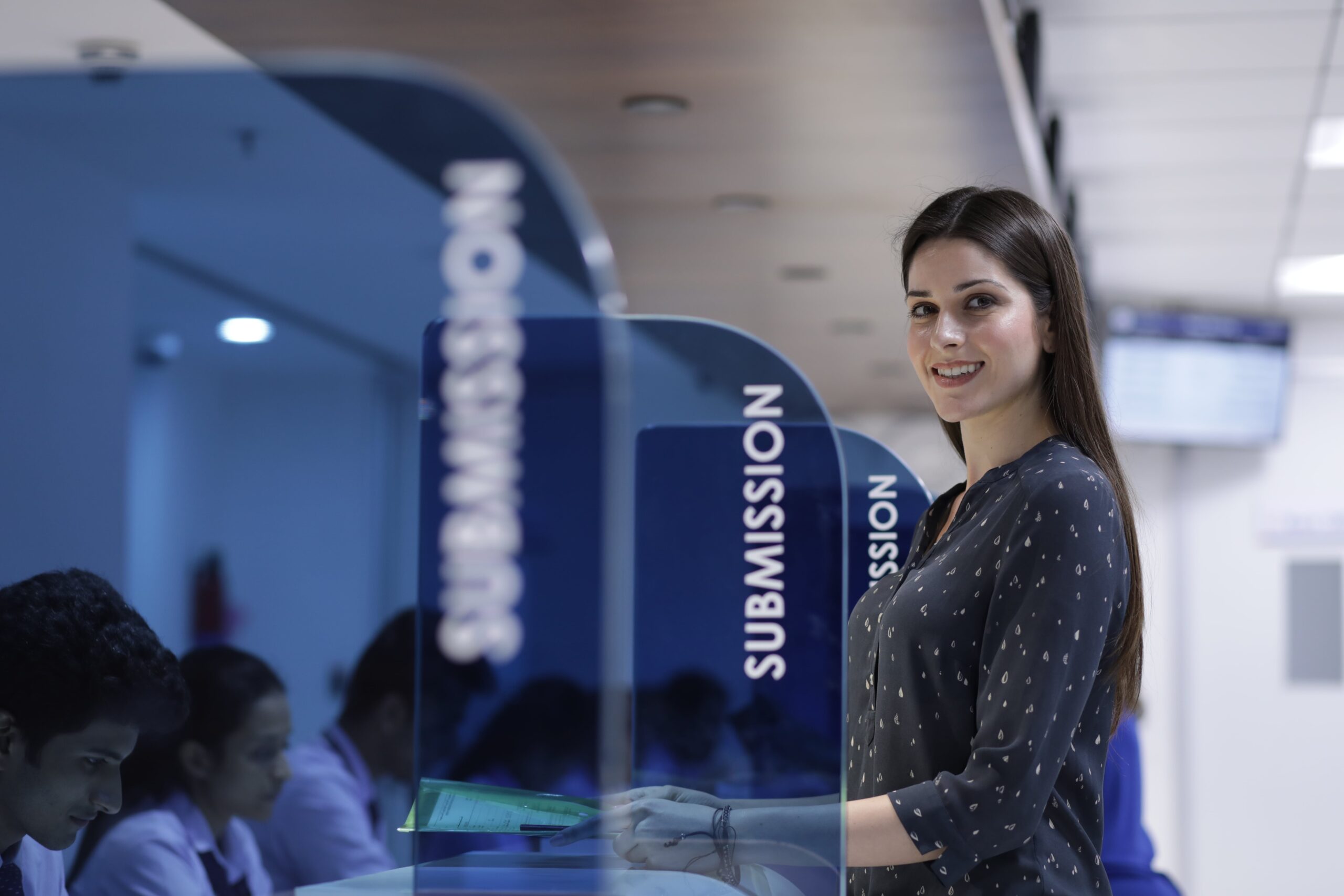
VFS Global handles non-judgmental functions such as accepting applications and documents, collecting biometrics where required and providing applicant-facing infrastructure. The authority to approve or reject a visa continues to rest entirely with the respective government.
This allows governments to expand processing capacity and geographical reach without surrendering control over immigration policy, eligibility or security decisions.
For applicants, meanwhile, an extensive network of application centres can make visa services more accessible, particularly outside major capital cities.
Technology shaping the next phase
Digitalisation is likely to further strengthen the role of specialist mobility providers. Governments globally are adopting eVisas, biometrics, digital travel credentials, automated verification and technology-led border systems. These developments are changing both how travellers interact with visa systems and how governments manage increasingly large volumes of applications.
VFS Global says it invests more than US$100 million annually in technology, including automation, digital platforms and artificial intelligence.
Technology can help improve processing efficiency, detect anomalies and potentially reduce friction for legitimate travellers. At the same time, the final authority and judgement over visa issuance remains with governments.
A substantial opportunity ahead
The fact that around 60 per cent of global visa processing remains unoutsourced suggests that the sector still has significant room to expand.
As international mobility rises, governments will increasingly need to balance three priorities: providing convenient services to travellers, processing higher volumes efficiently and maintaining rigorous security standards.
For VFS Global, its scale, international network, technology capabilities and relationships with governments place it at the intersection of these requirements.
But the bigger opportunity is not simply about processing more applications.
It is about helping create a global mobility infrastructure that enables people to travel more efficiently and, in turn, supports tourism, investment and commerce.
As Karkaria’s observation underscores, greater mobility can contribute directly to greater economic exchange. And as governments increasingly seek specialised infrastructure to manage that mobility, visa outsourcing could become an even more important component of the architecture supporting global trade.
Follow BOTT on LinkedIn, Facebook, Twitter & Instagram
Subscribe BOTT Channels on WhatsApp & Telegram to receive real time updates