








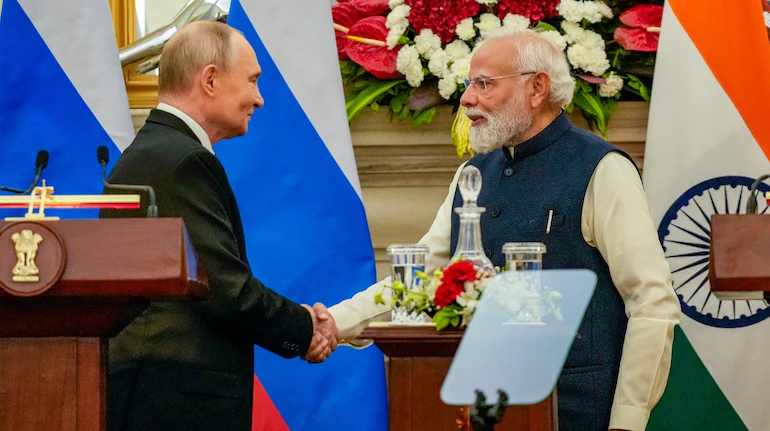
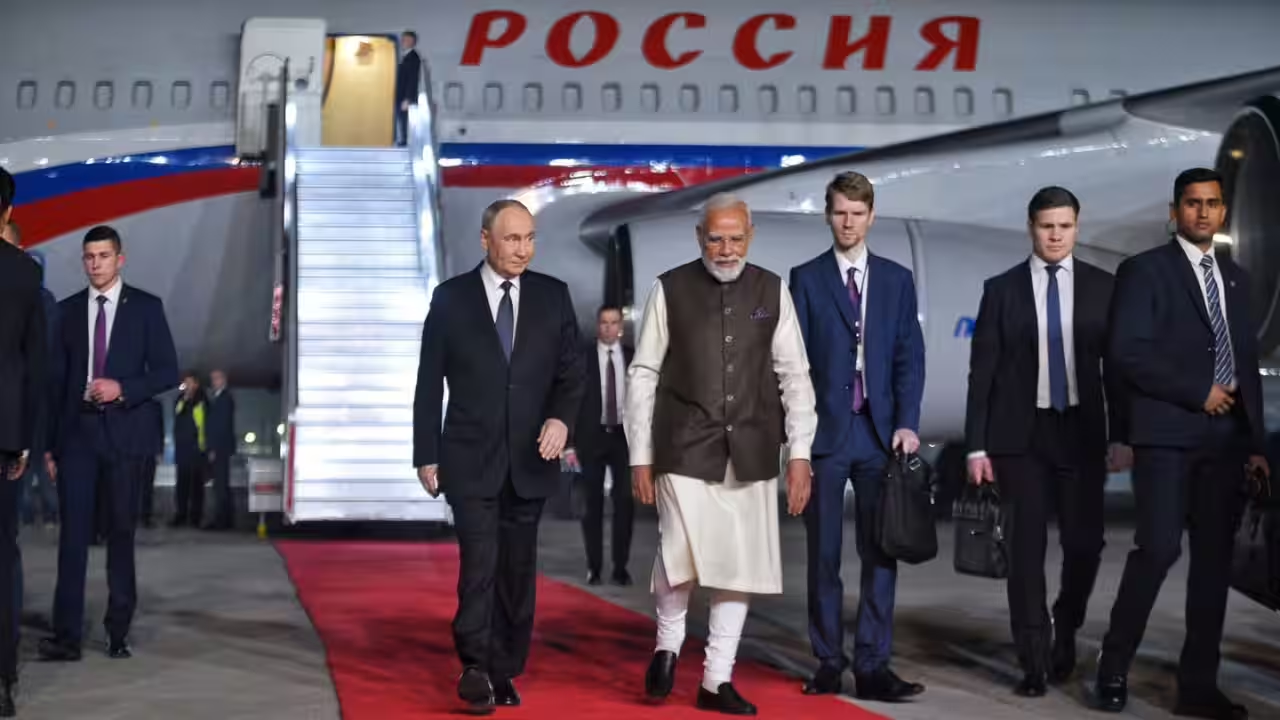
Prime Minister Narendra Modi made the announcement during a joint press interaction with Russian President Vladimir Putin in New Delhi following the 23rd Annual India–Russia Summit, where both sides inked 16 agreements covering defence, energy, trade, health and more.
Tourism Revival in Focus
Russian tourist arrivals, which stood at 187,000 in 2019, plunged to under 60,000 by 2024 due to the Ukraine conflict, steep airfares exceeding ₹1 lakh, and limited flight options. With Aeroflot restoring its Delhi–Moscow service and more routes under consideration, officials now anticipate an additional 100,000 Russian visitors by FY 2026–27.
Travel industry leaders have welcomed the visa waiver and emphasised that no stakeholder objections have emerged. Many expect the move to significantly revive Goa, Kerala, Himalayan circuits, and spiritual destinations popular among Russian travellers.
Modi Emphasises People-to-People Connections
Positioning tourism as a key diplomatic bridge, Prime Minister Modi said, “I am happy that very soon we are going to introduce a free 30-day e-tourist visa and a 30-day group tourist visa for Russian citizens.” He linked the initiative with broader cooperation in manpower mobility, skilling, and economic partnership.
The single-entry visas will require Russian applicants to furnish return tickets, valid passports and proof of funds, and will be issued at no cost through India’s official e-visa platform. Overstays will continue to attract penalties under immigration laws. Business and medical visa categories are not included in the waiver.
President Putin expressed appreciation for India’s hospitality and noted the “close working dialogue” between the two nations—sentiments echoed by tourism bodies that called the policy a people-centric step during challenging geopolitical times.
Expected Surge in Group Travel
Experts forecast strong interest from regions such as Siberia and the Urals, where yoga, Ayurveda and spiritual tourism have remained popular despite sanctions-driven travel disruptions. Removing fees, industry experts say, removes a substantial barrier for middle-class travellers and could inject millions into local tourism economies.
Summit Strengthens Strategic Vision
The visa announcement formed a key highlight of the 23rd Annual Summit, which also introduced the Vision 2030 roadmap aimed at tripling bilateral trade to USD 100 billion. Agreements were also finalised on critical minerals, Arctic cooperation, defence co-production, and nuclear energy.
With only 10 flights operating weekly between the two countries, stakeholders believe simplified travel rules will help offset high airfare challenges—Delhi–Moscow round trips often exceed ₹1.2 lakh. Hotel associations from Rajasthan to Uttarakhand anticipate a 20–30% rise in winter bookings owing to renewed Russian interest.
Cultural Bonding and Broader Impact
India and Russia have long shared a strong tourism link, with Russians exploring India’s beaches, mountains and cultural hubs for decades. Though the Ukraine war disrupted travel and increased routing costs, early 2025 already saw a 25% year-on-year rebound. Initiatives like showcasing Buddha relics in Kalmykia further strengthened cultural engagement.
MEA officials confirmed that the new visa facility will go live shortly on the e-visa portal, in line with the joint commitment to enhance mobility and exchanges.
A Step Toward Greater Global Harmony
This progressive visa policy aligns with The Logical Indian’s ethos of harmony, coexistence and people-centric diplomacy. By prioritising cultural exchange over geopolitical divides, India reinforces the belief that simple measures—like fee waivers—can cultivate trust, understanding and global goodwill, supporting PM Modi’s calls for peaceful solutions and unity against terrorism.
Follow BOTT on LinkedIn, Facebook, Twitter & Instagram
Subscribe BOTT Channels on WhatsApp & Telegram to receive real time updates