







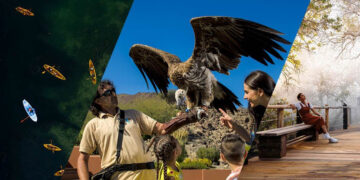


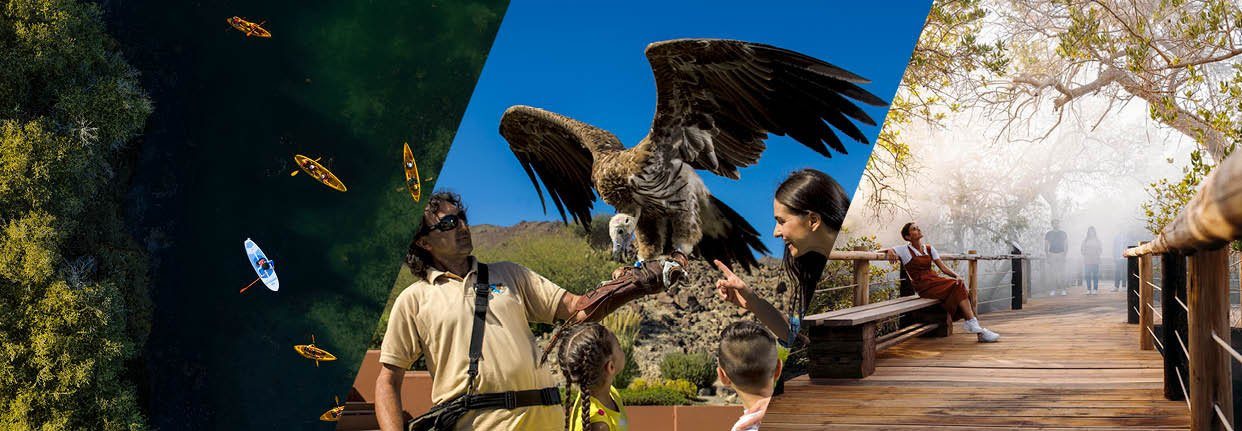
 From protected mangrove ecosystems and wildlife conservation centres to nature-based stays and environmental education, the emirate is creating experiences where tourism and conservation can work alongside each other.
Kalba: Where conservation becomes an experience
On Sharjah’s East Coast, Kalba is one of the emirate’s strongest examples of nature-led tourism. The area is known for its rich biodiversity and mangrove ecosystems, with the Khor Kalba Mangrove Centre giving visitors an opportunity to understand one of the UAE’s most important natural environments.
The centre is located amid an ancient mangrove landscape and offers visitors an educational and interactive introduction to the ecosystem. The surrounding area is home to diverse marine and birdlife, including the rare Arabian Collared Kingfisher, turtles, crabs, fish and other marine species.
Kalba offers an opportunity for tour operators to create itineraries that combine nature, wildlife, kayaking and environmental discovery, appealing to travellers who increasingly want their holidays to include meaningful outdoor experiences.
Kingfisher Retreat: When luxury meets conservation
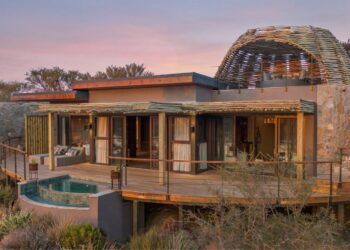
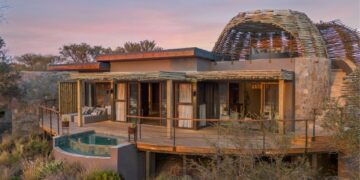
Kingfisher Retreat in Kalba is a perfect example of how a high-end stay can be built around its natural surroundings. Located on a protected island and surrounded by mangroves, wildlife and the coast, the retreat incorporates conservation into the guest experience. Visitors can explore the mangroves, observe wildlife and experience the natural landscape while staying in tented accommodation designed around the destination’s outdoor setting.
This aspect of tourism is aimed to attract individuals and groups that seek experiential luxury, where privacy and comfort are combined with a stronger connection to nature.
Protecting wildlife, creating experiences
Sharjah’s conservation story also extends to its wildlife centres and protected environments. Wasit Nature Reserve, located within Sharjah city, is one of its kind project that shows how an environmental project can create both a thriving ecosystem and a visitor experience.
The reserve is home to more than 200 bird species and features diverse habitats including coastal dunes, salt flats, ponds and a lake. The project transformed a previously degraded area into a habitat for indigenous flora and fauna and received the Aga Khan Award for Architecture in 2019.
Nature as a tourism asset
Sharjah’s approach highlights an important shift for the tourism industry: nature is no longer simply a backdrop to travel, it is becoming the experience itself.
The emirate’s mangroves, mountains, deserts and wildlife reserves allow travel planners to build itineraries around hiking, kayaking, wildlife encounters and environmental learning. Visit Sharjah itself positions the destination’s nature and wildlife experiences alongside adventure, heritage and culture, reflecting the growing importance of outdoor tourism within the emirate’s wider visitor offering.
As the travel industry continues to look for ways to balance growth with responsible tourism, Sharjah is showing how protecting natural assets can also strengthen a destination’s tourism appeal.
Follow BOTT on LinkedIn, Facebook, Twitter & Instagram
Subscribe BOTT Channels on WhatsApp & Telegram to receive real time updates